What Is Peppol? How the Peppol Network Works

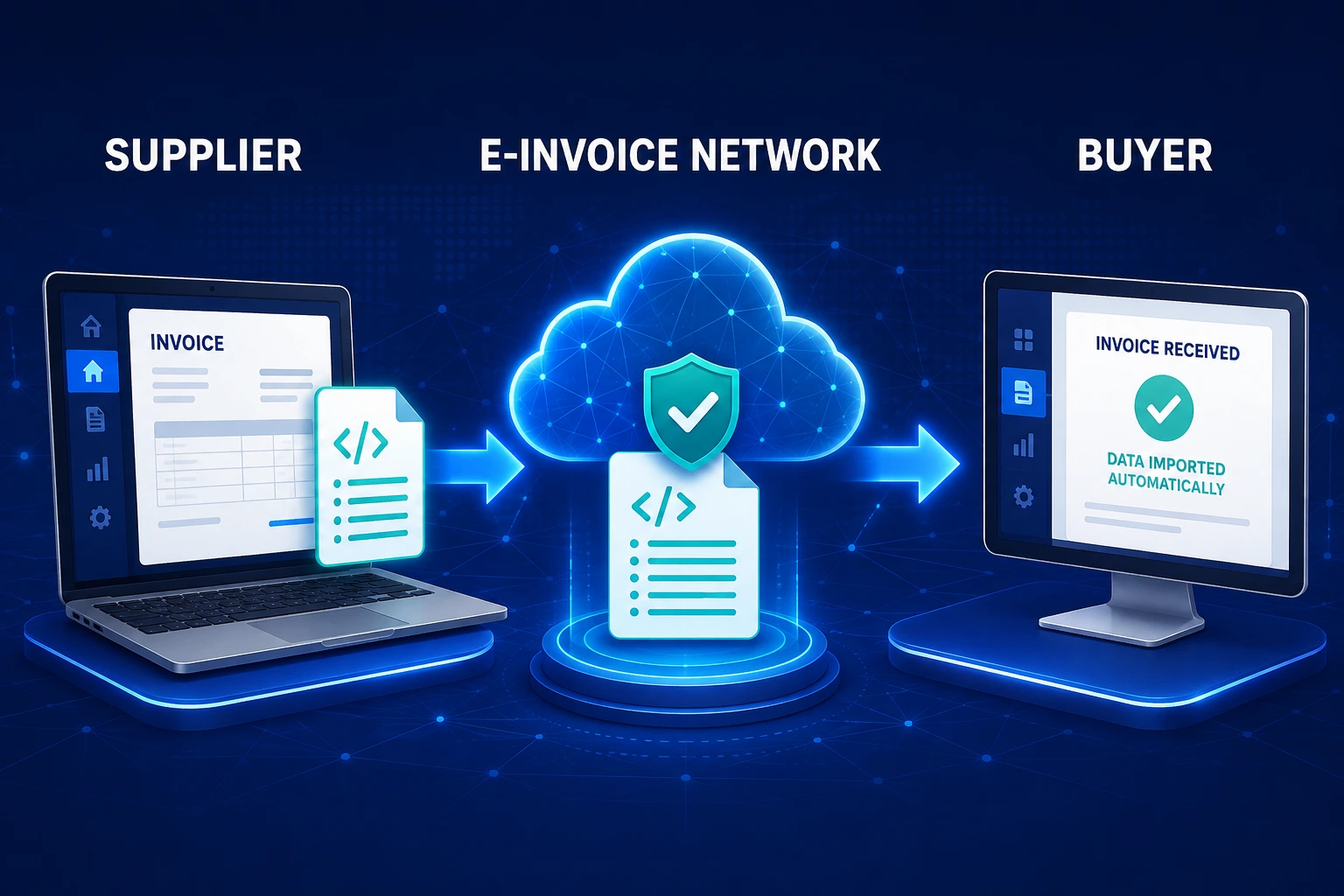
Peppol Network

Last reviewed: 16 September 2026 Peppol is an international interoperability framework and network that allows businesses and public organisations to exchange structured electronic business documents, including e-invoices, purchase orders and other procurement documents. Peppol is not a single government portal and it is not an invoicing software company. Instead, organisations connect through approved service providers … Read more
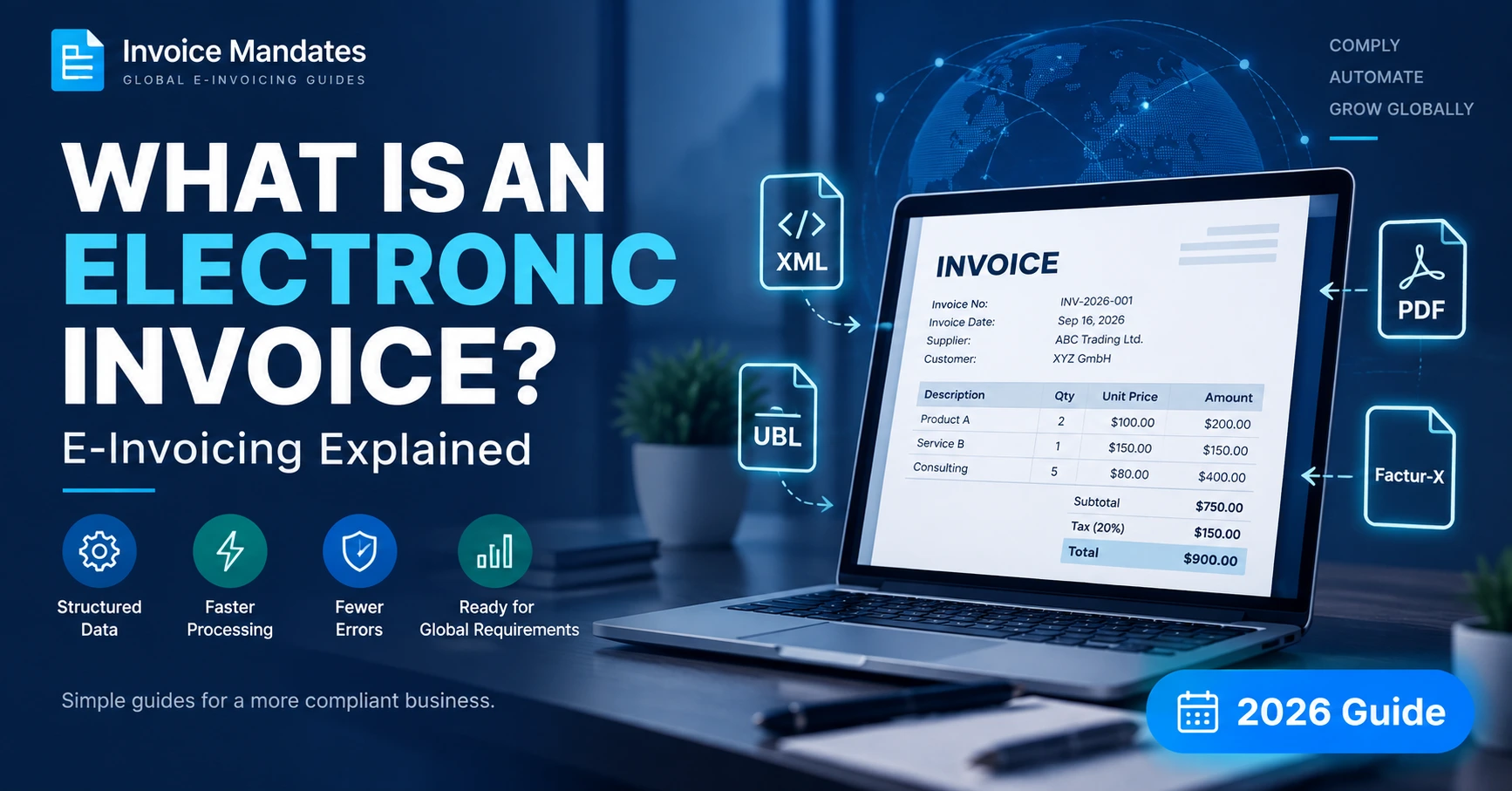
What Is an Electronic Invoice? E-Invoicing Explained

electronic invoice

Last reviewed: 16 September 2026 An electronic invoice, often called an e-invoice, is an invoice created, sent and received in a structured electronic format that allows computer systems to process the invoice data automatically. This is different from simply creating an invoice as a PDF and emailing it to a customer. A structured e-invoice contains … Read more

Germany E-Invoicing Requirements 2026: Complete B2B Guide

Germany e-invoicing requirements

Last reviewed: 16 September 2026 Germany e-invoicing requirements are already partly in force. Since 1 January 2025, businesses established in Germany have generally needed to be able to receive structured electronic invoices for covered domestic B2B transactions. However, Germany is still in a transition period for issuing invoices, which means many suppliers can continue using … Read more

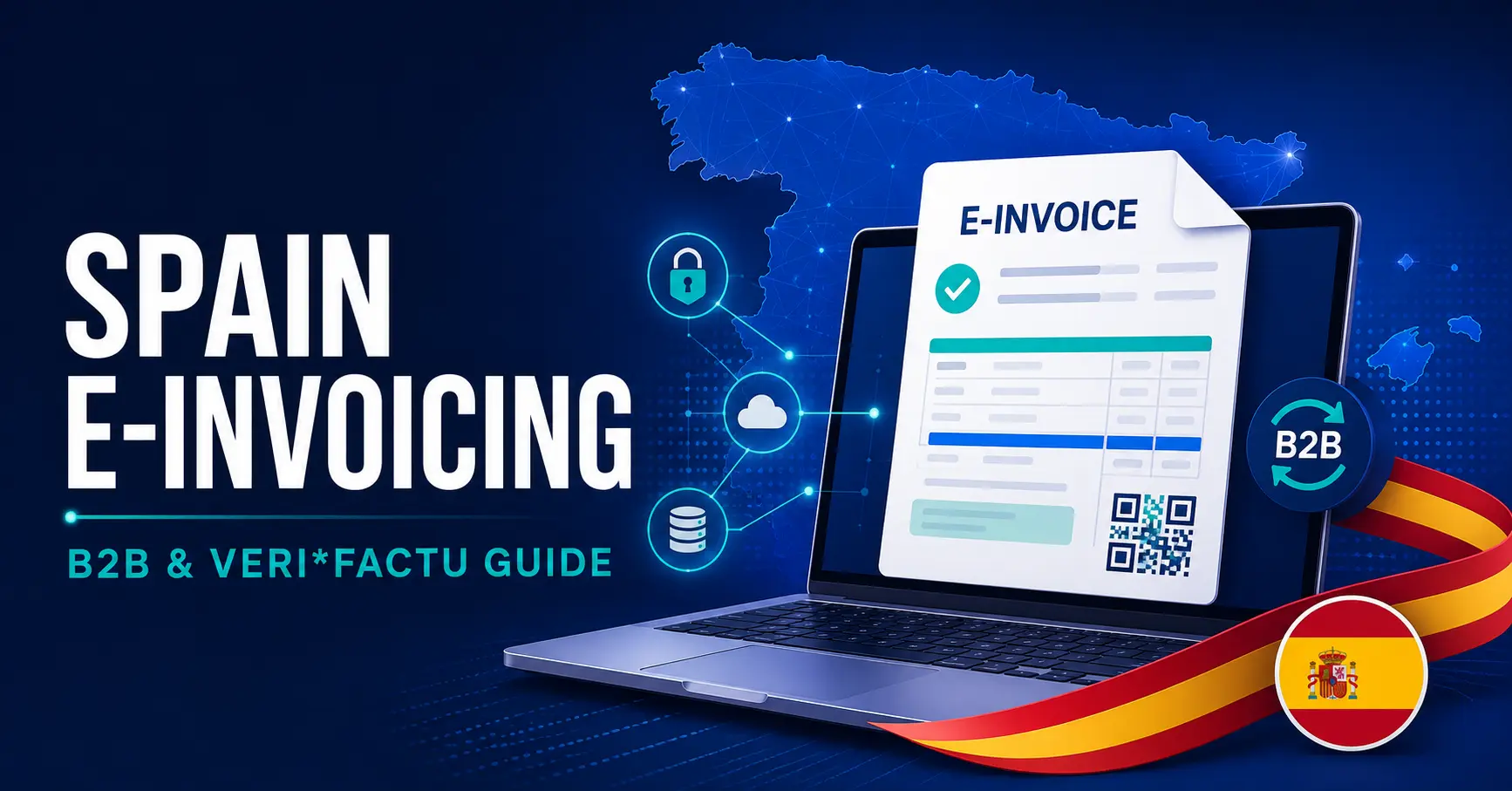
Spain E-Invoicing Requirements 2026: B2B and VERI*FACTU

Spain E-Invoicing Requirements 2026: B2B and VERI*FACTU

Last reviewed: 16 September 2026 Spain e-invoicing requirements are moving toward a nationwide mandatory system for invoices exchanged between businesses and professionals. Royal Decree 238/2026 now establishes the main legal and operating framework, but the general B2B mandate has not yet reached its effective compliance dates. The important point for businesses in September 2026 is … Read more

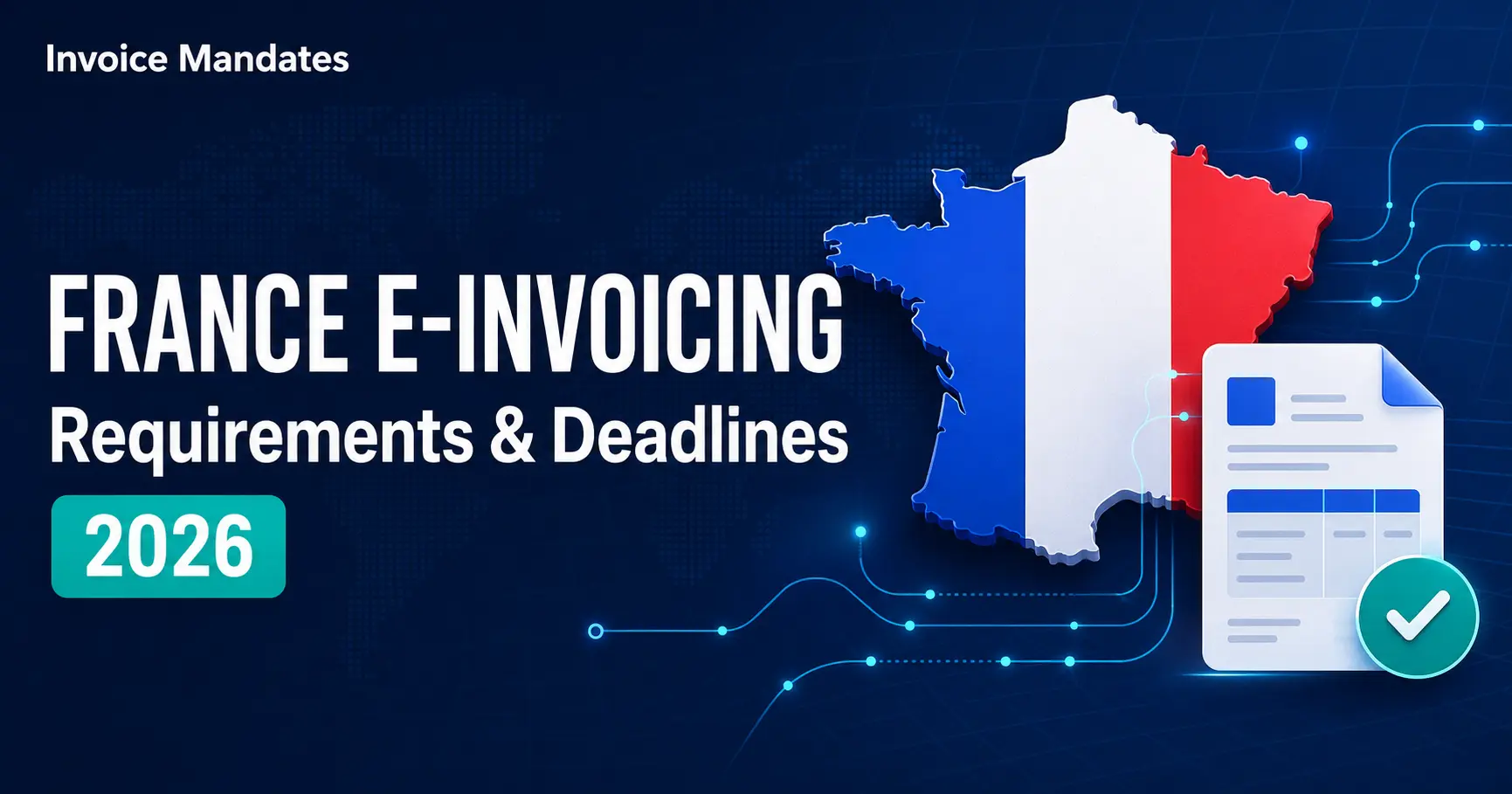
France E-Invoicing Requirements 2026: Deadlines and Rules

France e-invoicing requirements

Last reviewed: 16 September 2026 France e-invoicing requirements are now in force. The first major phase of France’s electronic invoicing reform started on 1 September 2026. From that date, all businesses covered by the reform must be able to receive electronic invoices through an approved platform. Large enterprises and intermediate-sized enterprises (ETIs) must also issue … Read more

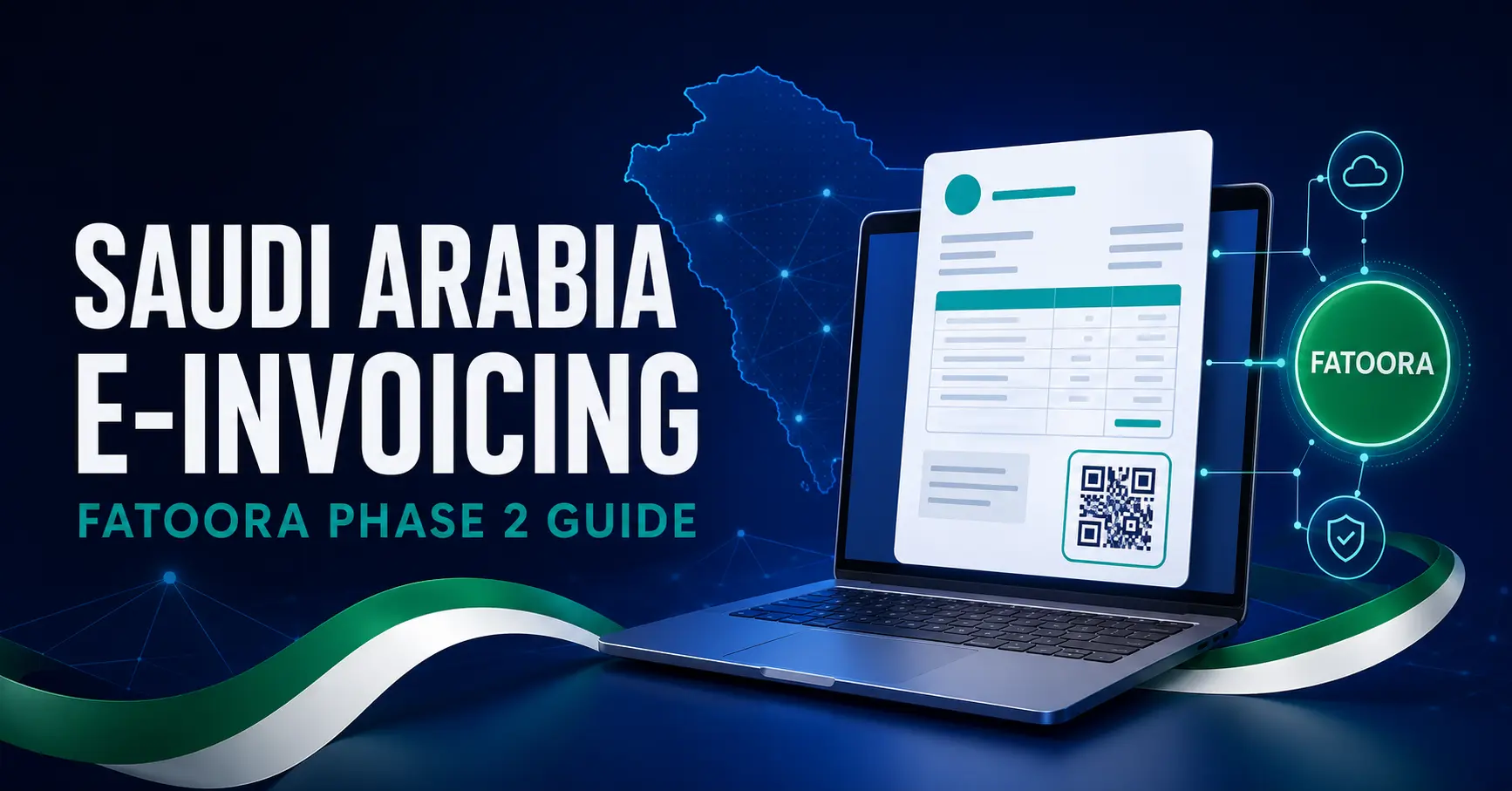
Saudi Arabia E-Invoicing Requirements 2026: Fatoora Guide

Saudi Arabia E-Invoicing Requirements 2026: Fatoora Guide

Last reviewed: 6 August 2026 Saudi Arabia requires VAT taxpayers to generate electronic invoices using compliant systems. Larger and selected taxpayers must also integrate their invoicing systems with the Zakat, Tax and Customs Authority’s Fatoora platform under a phased rollout. Quick answer: Phase 1 of Saudi Arabia’s e-invoicing system has applied since 4 December 2021 … Read more

Italy E-Invoicing Requirements 2026: SdI and FatturaPA Guide

Italy E-Invoicing Requirements 2026: SdI and FatturaPA Guide

Last reviewed: 6 August 2026 Italy has one of Europe’s most established electronic invoicing systems. Most invoices issued by businesses established in Italy must be created as structured XML files and transmitted through the government’s Sistema di Interscambio (SdI). Sending a normal PDF by email does not, by itself, satisfy this requirement. Quick answer: In … Read more

UAE E-Invoicing Requirements 2026–2027: Complete Guide

UAE E-Invoicing Requirements 2026–2027: Complete Guide

Last reviewed: 6 August 2026 UAE e-invoicing requirements entered an important preparation phase in 2026. The pilot programme and voluntary implementation began on 1 July 2026. Businesses with annual revenue of at least AED 50 million must appoint an Accredited Service Provider by 30 October 2026 and implement the Electronic Invoicing System from 1 January … Read more

Singapore InvoiceNow E-Invoicing Requirements 2026

Singapore InvoiceNow e-invoicing requirements for 2026

Last reviewed: 6 August 2026 Singapore e-invoicing requirements expanded on 1 April 2026. From that date, every business applying for voluntary GST registration must comply with the GST InvoiceNow Requirement, regardless of when the business was incorporated or its legal structure. Covered businesses must use an InvoiceNow-Ready Solution to transmit invoice data directly to the … Read more